
Home Loans for Dentists in Australia: Your Complete Guide
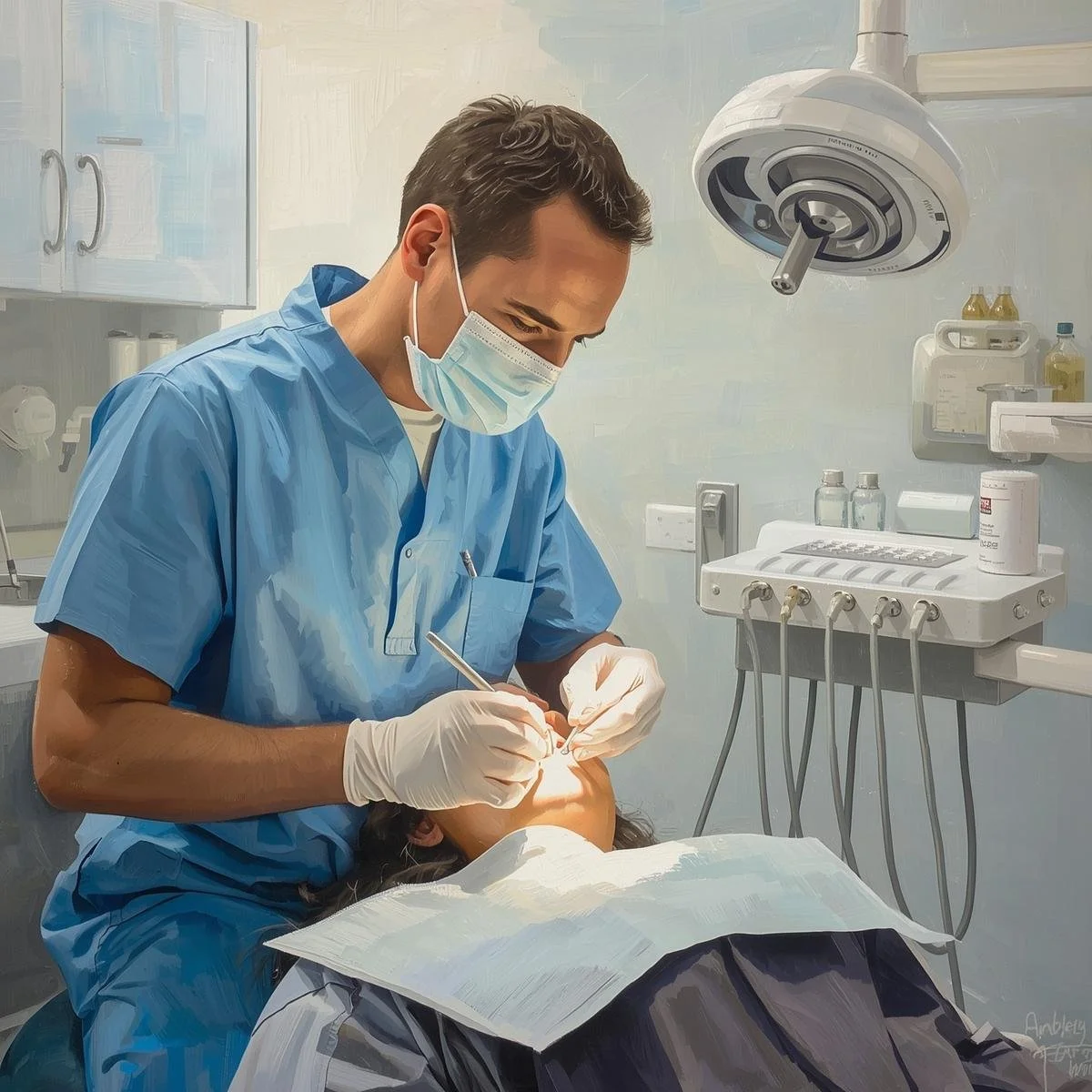
If you're a dentist looking to buy property in Australia, you've probably heard whispers about special home loan deals. They're real, and they're spectacular. I've worked with hundreds of dental professionals over the years, and I can tell you these specialised loans genuinely save dentists between $20,000 and $50,000 compared to standard mortgages.
Why Lenders Love Lending to Dentists
Here's the thing—banks aren't being generous. They're being smart. The numbers tell a compelling story: dentists default on loans at rates below 0.5%, while the average borrower sits around 1-2%. That's a massive difference when you're a bank assessing risk.
Combine this low default rate with stable incomes (most qualified dentists earn $150,000-$300,000 annually), mandatory AHPRA registration, and the essential nature of dental services, and you've got yourself a borrower profile that lenders actively compete for.
The Real Financial Advantages
Saying Goodbye to LMI
The biggest win? Waived Lenders Mortgage Insurance on loans up to 95% LVR. Let me put this in perspective. If you're buying a $700,000 property with just a 5% deposit ($35,000), you'd normally cop a $15,000-$25,000 LMI bill. With a dentist-specific loan, that cost vanishes. Some lenders waive LMI on loans up to $2 million.
Borrowing More Than You Thought Possible
Australian banks typically multiply your income by 5-7 times for dental professionals, well above standard calculations. This isn't just theoretical—it's the difference between buying the property you want versus settling for less. For recent graduates especially, this matters because lenders recognize your earning potential, not just your current payslip.
Better Rates That Actually Add Up
Discounts of 0.1-0.5% below standard variable rates might not sound huge, but run the numbers. On a $600,000 loan over 30 years, even a 0.25% discount saves you roughly $26,000 in interest. That's a European holiday, a new car, or a serious chunk off your loan principal.
You'll also dodge annual fees, pay less in establishment costs, and enjoy faster approval times. Some programs even offer conditional pre-approval based on your employment contract before you've finished your degree.
Different Loans for Different Stages
Just Starting Out?
Recent graduates can access 95% LVR loans with waived LMI. You need just 5% deposit plus your stamp duty, legal fees, and inspection costs. Unlike standard loans that scrutinize your credit history like a detective novel, dentist programs understand you're transitioning from study to practice.
Got an employment contract and AHPRA registration? You can secure pre-approval before your first day of work. That's powerful when you're competing in tight property markets.
Building Your Investment Portfolio
Investment property loans for dentists go up to 90% LVR with waived LMI. Compare that to the standard 80% maximum, and you'll see why this matters. That extra 10% can mean buying your investment property years earlier.
The tax angle's worth considering too. Investment property expenses offset your practice income, and negative gearing can complement your broader tax strategy. Once established, you can leverage equity to build a multi-property portfolio.
Already Own But Want Better Terms?
Refinancing from a standard home loan to a dentist-specific product unlocks better rates and potentially waived LMI on increased borrowing. If your property's grown in value, you can tap that equity without the usual insurance penalties.
Many dentists use refinancing to consolidate practice loans, equipment finance, and personal debts into one facility with a better rate. It simplifies everything and often cuts your total interest bill.
What You Need to Qualify
Your AHPRA registration needs to be current—that's non-negotiable. Beyond that, you'll need your dental degree, minimum 5% deposit (genuine savings or family gift), and a reasonably clean credit history. Recent graduates with limited credit history can still qualify based on their employment contract and professional credentials.
Practice owners face extra scrutiny, but specialist medical lenders understand dental practice income. They'll assess your business financials, patient base stability, and practice location rather than just looking at tax returns.
Getting From Application to Approval
Start by gathering your documents: AHPRA certificate, degree, tax returns (if applicable), payslips or employment contract, savings evidence, and ID. Recent graduates should include detailed job offers showing salary packages.
Next, calculate your actual borrowing capacity. Generic online calculators won't cut it—you need dental-specific formulas that recognize your profession's earning trajectory. This is where a mortgage broker experienced with professional loans earns their fee.
Choosing your lender matters more than you'd think. The big four banks (Commonwealth, Westpac, ANZ, NAB) offer competitive rates but stick to strict criteria. Specialist medical lenders provide more flexibility but might charge slightly higher rates. Recent graduates usually do better with major banks, while practice owners often prefer specialist lenders.
Pre-approval typically takes 2-5 business days for dental professionals—much faster than standard loans. From there, formal approval with property-specific documentation follows a similar expedited timeline.
Navigating Common Roadblocks
Massive HECS-HELP Debt?
Don't stress. Dentist loan programs recognize that your earning potential matters more than your student debt. While HECS affects your borrowing capacity somewhat, it's weighted less heavily than with standard loans.
Self-Employed Practice Owner with Complex Income?
Specialist medical lenders get it. They'll assess your practice through business financials, considering factors standard lenders miss—like your patient base stability and practice location. Alternative documentation requirements accommodate the complexity of practice ownership.
Eyeing a Property Above $2 Million?
Partial LMI waivers and family guarantees can help. Some lenders offer tiered LMI discounts even when full waivers don't apply. Shop around—different lenders have different thresholds.
Your Burning Questions Answered
How much deposit for a $600,000 property? Just 5% ($30,000) plus purchasing costs. That's $90,000 less than the standard 20% deposit, making a massive difference to how quickly you can buy.
Can I salary sacrifice my mortgage? Only if you work for eligible not-for-profit hospitals or public health services. Private practice dentists can't salary sacrifice mortgage payments, though superannuation contributions remain an option.
What credit score do I need? Aim for 650+ for the best terms, though some programs accept 600+ for strong applicants. Recent graduates with thin credit files can still qualify on professional credentials alone.
Worth paying off my mortgage early? One extra payment annually on a $600,000 loan at 6% saves $70,000+ in interest and cuts 5-6 years off your loan term. That said, consider opportunity costs like super contributions and investment returns before throwing all spare cash at your mortgage.
Take Action Today
You've got access to financial advantages most borrowers would kill for. Whether you're fresh out of dental school or running an established practice, these specialised loans deliver real savings and better property access.
Your immediate priorities: verify your AHPRA registration is current, gather your documentation, and find a mortgage broker who specialises in professional loans. Compare programs across multiple lenders—the differences matter.
The preparation you put in now determines your property outcome. Dentists who leverage their professional standing through specialised lending consistently achieve better results: lower costs, higher borrowing capacity, and faster timelines.